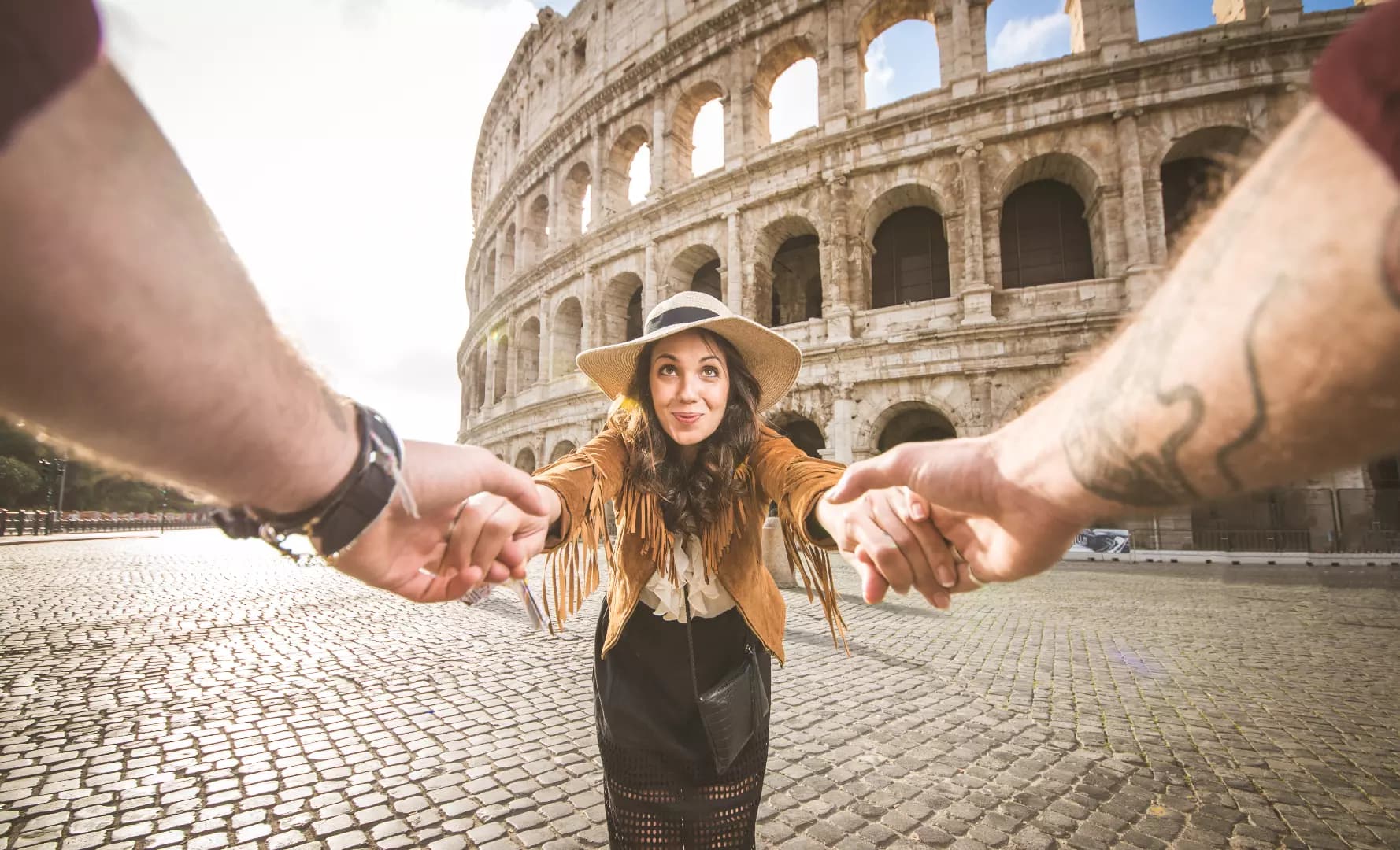
The travel design method: how to shape your italian journey
Travel planning often fails for one simple reason: most itineraries are built around “must-sees,' not around the traveler. Italy, more than many destinations, rewards the opposite approach. The most memorable journeys here are not the ones with the longest checklist, but the ones designed around rhythm, space, and intention.
Start with a question most guides never ask: what do you want your days to feel like?
Not what you want to see, but what you want to live. Quiet mornings or early starts? Long lunches or museum afternoons? Two bases or one? A trip built around you becomes easier to plan because it gains a clear logic.
Step 1: Choose a “daily pace,” not a city list
If your ideal day includes slow breakfasts, countryside drives, and one meaningful activity, your itinerary should reflect that. If you love cities, build in breathing room. Italy’s beauty is in details, not speed.
Step 2: Pick anchors that create structure
Anchors are the non-negotiables that give the journey shape. In Tuscany, these anchors can come from culture, craftsmanship, and local traditions—not only from famous landmarks.
A perfect example is how November weekends can be structured around a single strong theme: antiques and artisan fairs (Arezzo + Chianti), food festivals, and small towns where traditions are still lived daily. Even if you travel in another month, the logic remains useful: build days around what feels meaningful to you.
For inspiration, see how Tuscany’s artisan and antique culture can frame a weekend here.
Step 3: Let culture guide the “in-between” time
Many travelers underestimate the power of cultural initiatives to improve an itinerary. For instance, Italy’s museum rhythm, especially days tied to national or local programs can become a planning tool. Even a single museum morning can shape the rest of your day: a walk, a neighborhood lunch, a quiet afternoon.
Here a reminder of how museums can fit into a calm itinerary
Step 4: Turn experiences into “chapters”
Your trip should read like chapters, not like a timetable. One chapter can be “craft and markets,” another “food and village life,” another “art and quiet streets.” Tuscany lends itself naturally to this approach because its identity is layered and local.
If you want a single reference for how these elements blend-crafts, antiquity, and seasonal flavor- this November guide is a strong model you can adapt to any time of year.
Italy doesn’t need to be “done.” It needs to be designed around the way you want to live it.