Beyond peak season: how to choose the right time for Italy
Most travelers plan Italy around the same assumption: summer is the “best' time. But the truth is more nuanced—and more useful. The right time to visit is the one that matches your priorities: space, access, atmosphere, cultural depth, or a specific kind of experience.
Start from what you want to avoid
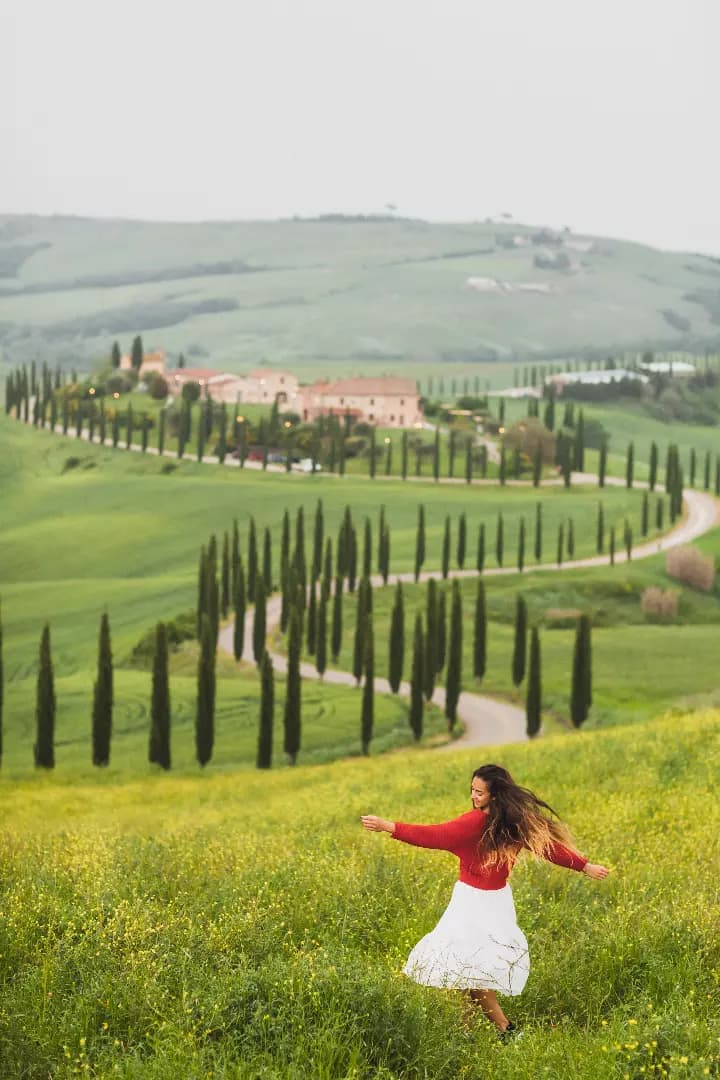
If you want freedom of movement, easy reservations, and quieter streets, planning beyond peak season isn’t a compromise—it’s a strategy. The experience changes when pressure disappears: museums become calmer, villages feel more lived-in, and landscapes stop being a backdrop and start being a presence.
Use culture as a calendar
Italy’s cultural life isn’t limited to summer festivals. Museum access, heritage sites, and regional initiatives can shape a trip in any season. If cultural depth matters to your travelers, start by building a journey around the kind of places that stay quiet and meaningful even when temperatures shift: monasteries, historic complexes, smaller museums, medieval villages.
Here you are a practical cultural reference point (and a reminder of how heritage can lead the itinerary).
Think in “weekend modules”
One of the smartest ways to plan Italy, especially for first-time travelers, is to think in modules: long weekend structures that can be combined. Tuscany is ideal for this because distances are short and each area has a distinct identity.
For example:
Arezzo + Chianti for antiques and hands-on craftsmanship
Small hill towns for seasonal food traditions and village life
Cultural mornings paired with slow afternoons in the countryside
Match the “Italy you want” to the time you travel
If you want bright swimming days, summer may be right. If you want cultural depth and space, other months may be better. If you want both, plan early and choose dates that give you balance.
Italy is not a single season. It’s a collection of atmospheres. The best planning decision you can make is choosing the one that fits you.