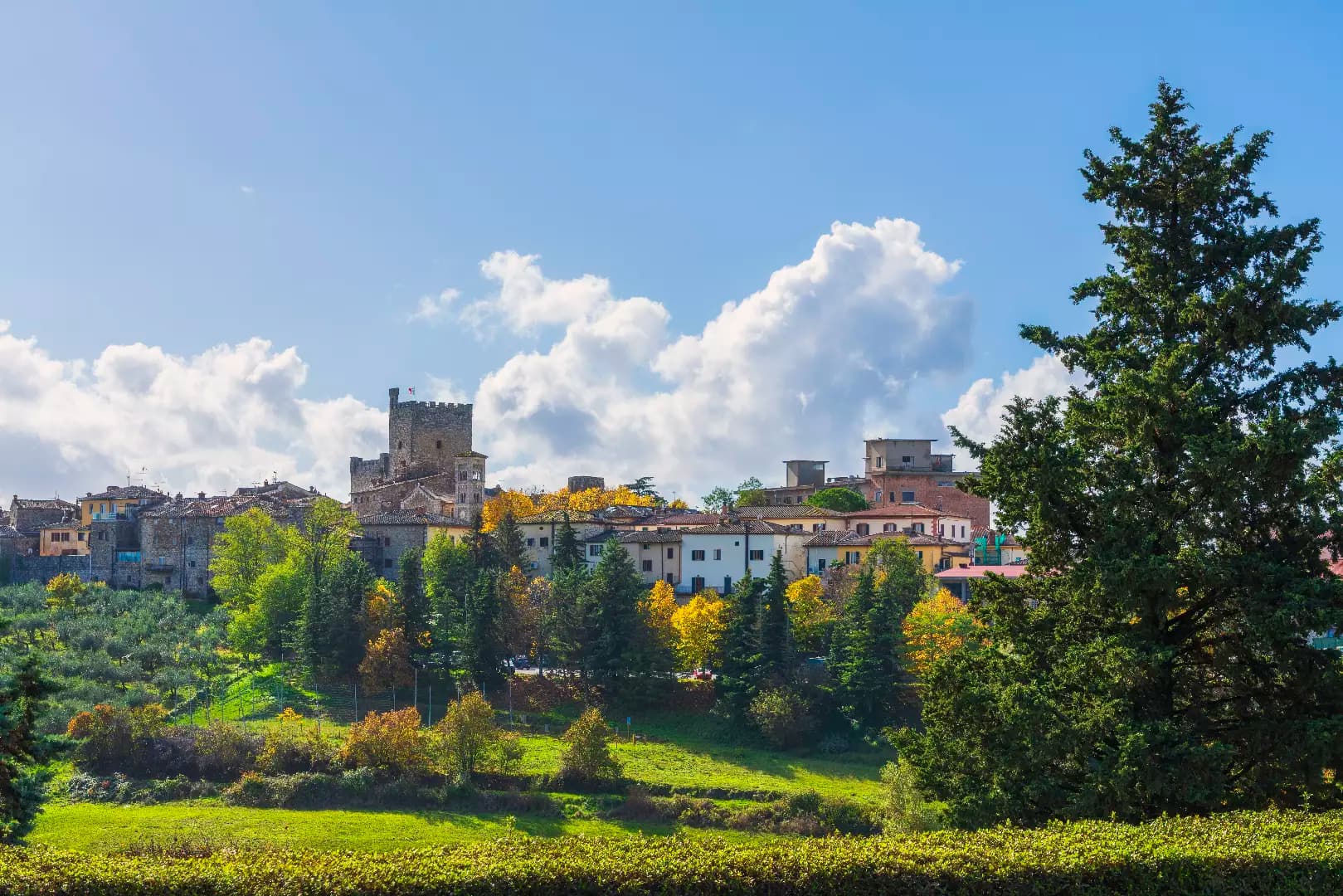
A meaningful Tuscany week: antiques, craft, culture & and time to breathe
A week in Tuscany can be “busy' or it can be meaningful. The difference is design: choosing a few strong themes and letting everything else fall into place around them. For travelers who want authenticity without exhausting schedules, Tuscany offers an ideal framework: antiques, craftsmanship, and cultural heritage—three lenses that reveal the region beyond the postcard.
Day 1–2: Begin with culture and orientation
Start with a cultural morning that sets the tone. A museum or heritage site visit gives context and makes even simple walks feel richer afterward. Pair it with a slow afternoon: a café, a neighborhood stroll, a quiet dinner.
If you want a cultural reference and planning logic, this guide is a strong starting point.
Day 3–4: Let craftsmanship become the story
Craftsmanship is one of Tuscany’s most underrated travel experiences. It’s not about shopping—it’s about watching knowledge pass from hand to hand. Plan a day around artisan fairs, ceramics, textiles, or the “work behind beauty.”
Arezzo and Chianti are a perfect pair for this theme!
Day 5: Give your trip one “market day”
Markets and fairs bring Tuscany’s identity into the open. Even if you’re traveling outside November, the principle holds: one day dedicated to local objects and stories makes the trip feel grounded. You stop being a visitor moving through scenery and start engaging with place.
For a broader overview that blends fairs, traditions, and seasonal flavors into one structure, use this article as your planning reference
Day 6–7: Leave space on purpose
The final theme is space. Tuscany rewards unscheduled time: the slow lunch that becomes the highlight, the village you didn’t plan for, the road you take just because the light is right.
A meaningful week isn’t packed. It’s composed. And Tuscany, when designed well, becomes exactly that: a sequence of chapters you actually remember.